

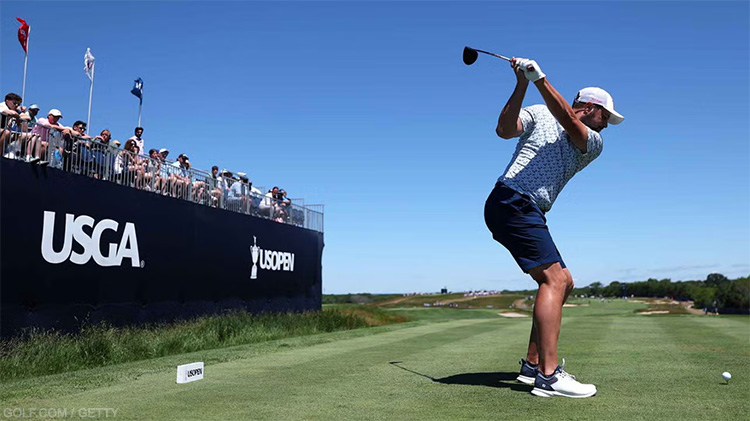
The USGA, R&A, PGA Tour and DP World Tour say there will be no change to golf ball testing until January 2030.
The golf ball rollback is not dead, but it is no longer charging toward 2028 with its head down and its ears pinned back.
In a joint statement released by the United States Golf Association, The R&A, PGA Tour and DP World Tour, the organizations announced on Wednesday that there will be no change to the Overall Distance Standard (ODS) testing approach until January 2030. That means the previously discussed timeline, which would have started changing the way newly submitted golf balls were tested starting in 2028, has effectively been slowed while the game’s most powerful organizations look for a broader agreement.
In golf terms, this is like everyone marking their ball, taking a deep breath and agreeing to read the green again.
The statement says the USGA and R&A have spent the past eight years raising concerns about distance increases and the long-term consequences of failing to address that trend. Among those concerns are the increased use of water, chemicals and money to maintain larger courses, and the decrease of shot values and strategy on historically significant courses.
In January, the USGA and R&A solicited feedback from stakeholders regarding the split-date rollout of distance-reducing balls. According to the statement, feedback from the golf industry indicated that a majority supported a single implementation date, January 2030, instead of a two-step rollout.
From a business standpoint, that should not come as a surprise because golf ball manufacturers would likely not want to make balls to two different performance testing standards at the same time. Brands plan product lines years ahead. Retailers carry inventory. Tour players test balls, build habits and organize their games around specific models. Asking the industry to manage two different dates was always going to create potential confusion.
The second major point of the announcement is equally significant. The statement says discussions among the governing bodies, PGA Tour leadership, the PGA Tour Player Advisory Council, DP World Tour leadership and other stakeholders produced three outcomes.
- They agreed that distance continues to increase at the elite level.
- They also acknowledged that the tours are concerned the updated ODS testing approach might not achieve the desired results.
- They expressed a willingness to consider alternative approaches that may more meaningfully affect future distance increases while minimizing disruption to the overall golf ball market.
The USGA and R&A are not backing away from the idea that distance is a problem at the highest levels. However, it appears that the PGA Tour and DP World Tour are in complete agreement that the USGA and R&A’s plans are the ideal solution.
Now, the clock has slowed.
Article originally appeared on: Golfweek.usatoday.com